
TL;DR
Looking for the best smart thermostat in Canada (2025)? This model offers app control, voice commands, learning schedules, and energy insights—ideal for Canadian winters and summers.
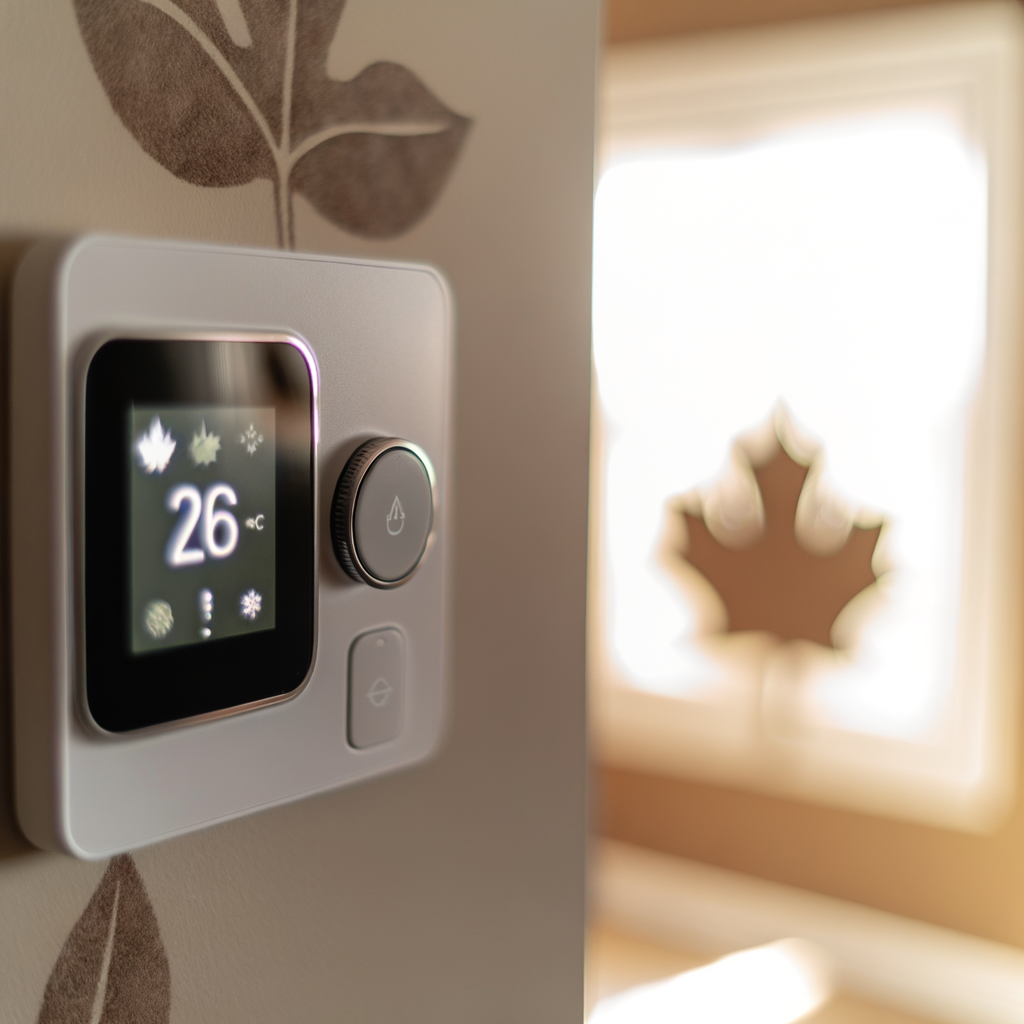
Overview
Smart thermostats make it easy to manage comfort and costs. Compared to a basic programmable unit, a modern Wi‑Fi thermostat learns your routine, applies eco temperatures automatically, and gives usage reports so you can cut waste without sacrificing comfort.
Use‑Case Scenarios in Canada
- Toronto (condos & semis): Smooths shoulder seasons with auto‑scheduling and geofencing.
- Vancouver (mild climate): Precise setback control avoids unnecessary heating.
- Calgary (cold snaps): Remote pre‑heat keeps the home cozy before you arrive.
Key Features
- App & voice control (Alexa/Google).
- Schedule learning + occupancy awareness.
- Energy reports & insights to find savings.
- Heat‑pump and multi‑stage support (model dependent).
- Modern, low‑profile design.
Setup & Maintenance
Follow the in‑app guided wiring steps and label each wire from your old thermostat. For older systems or high‑efficiency furnaces/heat pumps, a licensed HVAC pro is recommended.
Pro Tip 1: Place the thermostat on an interior wall away from drafts, direct sunlight, or heat sources for accurate readings.
Pro Tip 2: If your system lacks a C‑wire, use a power extender kit (often included) for stable power and screen brightness.
Pro Tip 3: Set Eco temps (e.g., 17–18°C when away, 20–21°C when home) and enable geofencing for automatic savings.
Pro Tip 4: For heat pumps, enable adaptive/aux lockout to avoid excessive electric resistance heat in milder weather.
Pro Tip 5: Turn on filter reminders and inspect/replace filters every 1–3 months in winter for efficiency.
Pro Tip 6: Use humidity features if available: target 30–40% in winter to reduce condensation and improve comfort.
Pros & Cons
| Pros | Cons |
|---|---|
| Excellent app & voice control | Needs reliable Wi‑Fi |
| Can reduce bills 10–20% | May require C‑wire or extender |
| Strong for Canadian climates | Pro install recommended for complex systems |
Buying Guide: Smart vs. Programmable
- Programmable: Fixed schedules; no learning or remote control.
- Smart: Learns routines, remote access, energy reports, and geofencing for added savings.
Helpful Resources (External)
- ENERGY STAR® guidance on smart thermostat efficiency.
- Natural Resources Canada home energy efficiency programs.
- Hydro One tips and seasonal advice (Ontario).
Related Guides (Internal)
Conclusion
If you want comfort and lower bills, a smart thermostat is one of the quickest upgrades you can make. Combine schedules, eco temps, and geofencing for the best savings in Canadian climates.
View latest price on Amazon Canada
FAQs
Do I need a C‑wire?
It’s recommended for stable power; many kits include a power extender.
Does it work with heat pumps?
Yes—look for heat‑pump compatibility and auxiliary heat settings.
Can it really lower bills?
Most households see measurable savings using schedules, eco temps, and occupancy/geofencing.
Disclosure: This page contains affiliate links. As an Amazon Associate, we may earn from qualifying purchases at no extra cost to you.
This article contains affiliate links. If you buy through them, we may earn a commission at no extra cost to you.